Thinking about selling your Newbury Park home but not sure where to start? You want the right price, smart prep, and a plan that fits how buyers shop today. With a few focused moves, you can attract strong offers without overspending or overhauling your life.
In this guide, you’ll learn how to set a winning price, which updates matter most, and how to time and manage the process from first photo to closing. You’ll also see local factors unique to Ventura County that affect disclosures, fees, and timeline. Let’s dive in.
Newbury Park market at a glance
The Newbury Park segment of Thousand Oaks sits in a typical price band around the upper 900s to near $1.0M, with pace varying by neighborhood and price tier. Recent snapshots show average days on market often in the 40 to 75 day range, with well-priced homes moving sooner while overpriced listings tend to sit. Micro-markets like Dos Vientos, Rancho Conejo, and Potrero Valley perform differently, so your pricing and prep should match your specific tract and nearby comps.
What this means for you: it’s a quality-over-quantity market. Buyers will show up for a clean, move-in-ready home that is priced to current sales in your pocket of 91320. Overreach on price, and you risk longer days on market and a weaker negotiating position later.
Set the right price
Pricing is your biggest lever. Start with a sale-based comparative market analysis using closed sales from the past 3 to 6 months in the same neighborhood area. Adjust for condition, lot size, bedroom and bath count, and meaningful upgrades. Treat active listings as marketing, not proof of value.
Here are three tactical approaches most sellers consider:
- Market-value list price. This fits most sellers and helps you attract qualified buyers quickly while preserving leverage.
- Slightly under market by about 3 to 10 percent. This can spark urgency and multiple offers, but only if the home and timing are right.
- Overpricing. This often leads to slow activity, price reductions, and a lower final sale than if you had listed at fair market value from day one.
Watch the first two weeks closely. Fresh listings get most of their attention early. If week-one traffic, saves, and showings are soft, use that data to reassess price or marketing. Many agents track these metrics and adjust in the first 10 to 14 days when needed, which aligns with what many industry sources highlight about the primacy of your launch window. You can read more about the importance of that early period in this note on watching the first 10 to 14 days.
Pre-listing prep that pays off
Well-placed cosmetic work can improve your photos, boost in-person appeal, and support your target price. Focus on these high-ROI moves first:
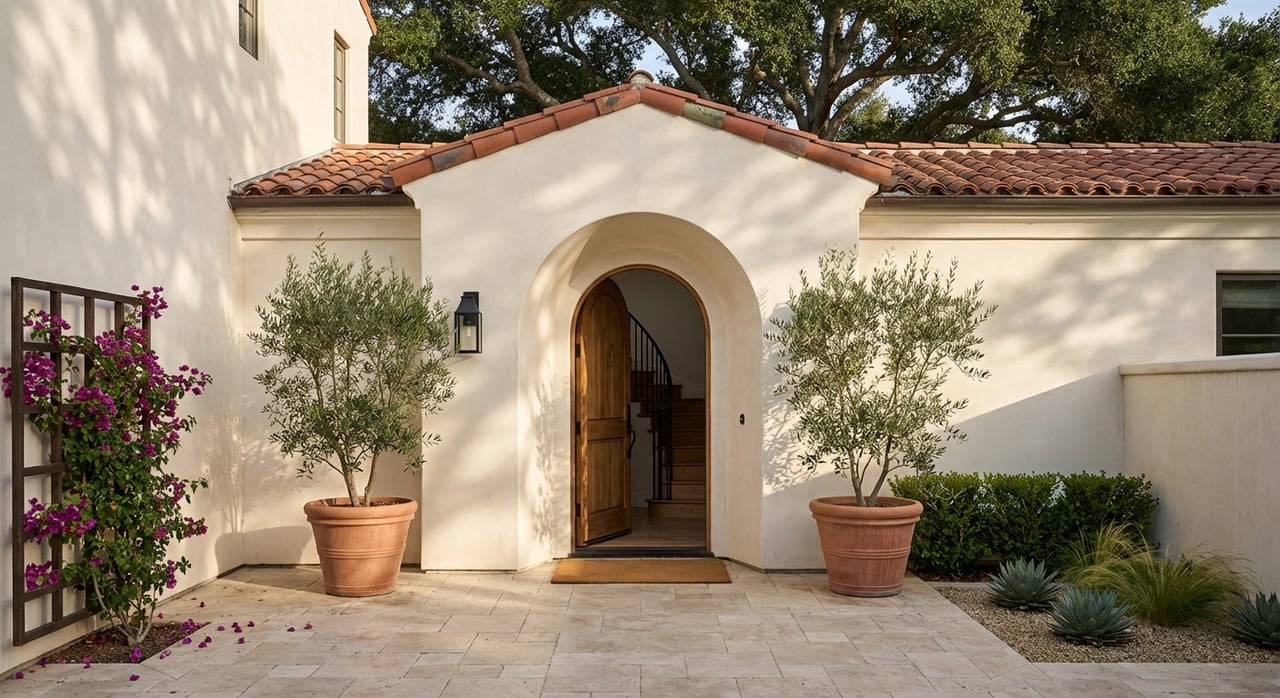
- Curb appeal. Fresh landscape, a clean entry, and an updated or well-maintained garage door lead the field for return on cost. Recent industry reporting confirms exterior projects often top ROI lists. See highlights from Zonda’s Cost vs. Value analysis on exterior ROI leaders.
- Minor kitchen refresh. Paint or reface cabinets, update hardware and lighting, and consider a new backsplash. A modest kitchen refresh tends to outperform a full gut on resale in our region, according to Cost vs. Value reporting.
- Paint, floors, and lighting. Choose neutral paint, replace worn carpet with engineered wood or quality vinyl where it fits your price tier, and install warm LED fixtures. These changes read bigger than they cost in photos and showings.
- Staging. The National Association of Realtors reports staging often reduces time on market and can improve buyer perception of value. Focus on the living room, kitchen, and primary bedroom first. Review the latest findings on how staging shapes outcomes.
- Pre-listing inspection. A seller-side inspection can surface issues early, inform your pricing strategy, and support negotiation. Many buyers value transparency and speed. Learn how a pre-listing inspection can help in this guide to pre-inspections and value.
How to prioritize on a budget:
- Deep clean, declutter, and complete minor repairs.
- Refresh curb appeal and front entry.
- Apply neutral interior paint and update key lights.
- Stage or style the main living areas.
- If budget allows, complete a targeted kitchen refresh.
Presentation and marketing
Buyers shop with their eyes first. That means crisp, professional visuals and clear listing copy that sells lifestyle as well as features.
- Photography. Invest in professional images that cover interiors, exteriors, and twilight shots for drama. If your lot or views merit it, add drone aerials.
- Video and 3D. Many buyers consider virtual tours and videos important to their decision to visit in person. This is especially helpful for out-of-area buyers. See how buyer behavior has shifted toward video and virtual tours.
- Copy that highlights lifestyle. Spotlight trail access, parks, and open space that define Newbury Park living, such as the paths around Rancho Sierra Vista/Satwiwa and surrounding Conejo Valley open space. Local guides like this Newbury Park activity roundup offer helpful context.
Timeline and process in Newbury Park
Here is a typical flow from prep to closing, based on common Ventura County practices:
- Pre-listing prep, 1 to 4 weeks. Declutter, complete touch-ups, stage, and photograph your home. If applicable, order pre-inspections and start HOA resale documents early. A pre-inspection can speed later steps and reduce surprises. This pre-listing prep guide covers the benefits.
- Active listing, first 10 to 14 days. This is your peak window for attention. Stay flexible with showings and keep the property spotless. If interest is slow, adjust early based on metrics from that initial period. See more on the importance of the first two weeks here.
- Under contract to close. In California, escrow on financed purchases commonly lasts 30 to 45 days, while all-cash deals can close faster if title is clear. Inspection, appraisal, and underwriting drive most of the calendar risk points. For a simple overview, review typical escrow timelines.
Required California disclosures
California requires several standard disclosures and reports. Your escrow and agent will help you complete and deliver them on time:
- Transfer Disclosure Statement and Natural Hazard Disclosure. These are standard for most one-to-four unit residential sales. Learn more about required seller disclosures in this California disclosure summary.
- Wildfire and home hardening under AB 38. If your property is in a mapped High or Very High Fire Hazard Severity Zone, you must disclose specific home-hardening features and provide any required defensible space documentation. For guidance, visit CAL FIRE’s page on home hardening and defensible space.
- HOA resale packet. If your home is in an HOA, request the resale packet early. Fees and timing vary, and buyers often have a review period tied to these documents.
What it costs to sell
Plan ahead for these common seller expenses in Ventura County:
- Commissions. Many sellers budget around a combined 5 to 6 percent, split between listing and buyer representation, though percentages vary and are negotiable.
- Ventura County documentary transfer tax. The county charges a documentary transfer tax at $1.10 per $1,000 of the sale price. Some cities have their own transfer taxes; Thousand Oaks typically follows county standards. Confirm specifics with escrow. Check the county’s recording and fee table.
- Title, escrow, and recording. In many Southern California transactions, sellers pay for the owner’s title policy. Expect escrow fees, recording fees, prorated property taxes, and any HOA or special tax payoffs. For a quick primer on common closing fees, see this closing cost overview. Ask escrow for a preliminary net sheet early so you know your approximate bottom line.
Local risks to plan for
- Wildfire zones and AB 38. If your home is in a designated High or Very High Fire Hazard Severity Zone, gather any defensible space and home-hardening documents before you list. Proactive disclosure helps reduce delays and rescission risk. Start with CAL FIRE’s home hardening checklist.
- Insurance and appraisal sensitivity. In some higher-risk microareas, insurance availability and conservative appraisals can affect buyers. Your agent and escrow team can surface issues early and help set realistic expectations.
Smart seller checklist
- Order TDS and NHD, plus any HOA resale documents.
- Complete a pre-listing inspection if you want to reduce surprises.
- Prioritize curb appeal, deep clean, neutral paint, and pro photos.
- Stage the living room, kitchen, and primary bedroom first.
- Price to recent closed sales and watch activity in the first 10 to 14 days.
- Expect escrow around 30 to 45 days for financed offers, longer for complex loans.
- Ask escrow for a seller net sheet and clarify who pays which costs.
Timing your launch
Seasonality still matters. Many years, spring brings more buyers and fresh listings, while late summer and early fall can also perform well in our area. If you have flexibility, discuss the best launch window for your specific property. For a national take on seasonal pricing lift, see this quick look at when to list for best results. Local data and your property’s strengths should guide the final call.
Why list with a Newbury Park specialist
To maximize value in Newbury Park, you need precise pricing, strong visuals, and a narrative that highlights what buyers love here: trail systems, parks, nearby open space, commute options, and a relaxed Conejo Valley lifestyle. A boutique, locally focused approach helps you tailor every decision to your exact pocket of 91320.
Ready to build your plan? Schedule a private consultation with Gianfranco Lisi to get a pricing analysis, a prep checklist for your home, and a marketing blueprint designed for Newbury Park.
FAQs
When is the best time to list in Newbury Park?
- Spring often brings more buyers and strong results, but your home’s condition, price tier, and neighborhood can make late summer or early fall a smart choice too.
How long does it take to sell a home here?
- Many homes see interest within the first two weeks if priced right, then plan on a 30 to 45 day escrow for financed buyers once you accept an offer.
Which updates add the most value before selling?
- Focus on curb appeal, neutral paint, lighting, and a minor kitchen refresh, then stage the main rooms to elevate photos and first impressions.
What is AB 38 and does it apply to me?
- If your property sits in a mapped High or Very High Fire Hazard Severity Zone, you must disclose certain home-hardening features and provide defensible space documentation.
How should I choose my list price?
- Use a sale-based CMA from the past 3 to 6 months within your tract, adjust for condition and features, and monitor response closely in the first 10 to 14 days.
What closing costs should I expect as a seller?
- Budget for commissions, title and escrow fees, prorated taxes, Ventura County’s transfer tax, and any HOA or special assessments, then confirm your net sheet with escrow.